This website is using cookies.
We use them to give you the best experience. If you continue using our website, we'll assume that you are happy to receive all cookies on this website.
Read more
Roaming the United States can bring its own set of unique challenges. One must discover hidden tourist places known only to the natives, rejoice meeting random strangers and to partake a share of their unique lifestyle, be eager to try novel food and drinks of unknown origins, and lastly celebrate by mingling with dancers and musicians singing their local lore. These may constitute the best bits of wandering in the US, but one’s euphoria also greatly emanates in sharing one’s adventures through social media. With global tourist hotspots gaining popularity in every major US city, connecting to a public Wi-Fi nowadays, seems like a walk in the park.
Every traveler should muster a bit of daredevilry, to discover the United States. This maxim while indeed holds true for exploring the US, sharing one’s experiences using a public Wi-Fi can be a dangerous and foolhardy idea. To open your eyes against such naivete, we recommend you use a MiFi instead. A personal private internet hotspot that safeguards your identity from online tricksters and data thieves. Presented below are some eye-opening facts against using public Wi-Fi networks.
Privacy
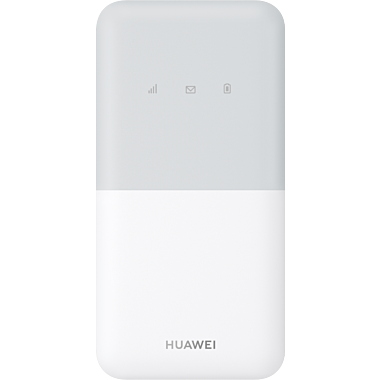
Today’s world is all about data and its harvesting to know about consumer preferences, needs, and desires. Using a public Wi-Fi makes you susceptible to login credential theft or a simple information leak such as your shopping bucket list. Using a MiFi ensures you use a secure connection, making sure be it your work, or your leisure, they remain only your own personal business. Hackers will look for scraps where they would be none! The Huawei E5788 can effortlessly protect your privacy, being a worthy travel tech hardware investment from your end.
Security

Identity theft, phishing, trojans, click baits and spamming are just a few tricks of the trade of online hackers who make a living siphoning your hard-earned money. Your credit card information, banking passwords can be easily leaked through an unsecured public Wi-Fi connection, leaving your bank account dry. A MiFi safeguards your online devices from these online rogues and scamsters by providing an encrypted secure connection. It can tend to your online needs in the most versatile manner, keeping your identity discreet all the time. Try the Huawei E5885 MiFi, a versatile multipurpose travel accessory that you won’t want to leave your home without!
Slower Internet

While sharing indeed is caring, resources tend to overstrain when heavily exploited. Public Wi-Fi is similar in this regard, although being free, they seldom restrict its total number of online users. This creates a burden on the public servers, resulting in severe speed reduction for every user present on the network. Opening a simple webpage could seem like an eternity. MiFi doesn’t come with such restrictions, it attends only to your specific internet needs, making your internet browsing experience seamless and as always super fast. The Huawei E5577c MiFi is one such utility tool providing blazing fast internet speeds!
Biased Browsing

Every service requires minimum upkeep costs, same goes for a public Wi-Fi internet. These costs are recovered from many sources and promoting biased browsing is one of the many revenue strategies. Certain websites are given preferences over their peers, limitations are placed on simple tasks such as online searches, accessing social media websites can be quite the hassle. The next time you feel your favorite website is taking too long to open, it might be hit by the same marketing strategy. Your MiFi has no such gimmicks in place, it protects your online experiences from such lowly schemes and keeps your browsing experience optimized as usual. Look at our travel accessories to avoid such irksome tactics.
Pesky Advertisements
The most irksome internet experience consists of needless ads and mindless popups. Opening a link comes with a sleuth of advertising pages. Free Wi-Fi service providers justify this activity as recovering basic server upkeep charge. The onslaught of free advertisements greatly destroys the time and jubilant mindset of a traveler. Your MiFi, on the other hand, is completely unbiased. It keeps your personal devices attuned to only your personal settings. You always get to enjoy your online experience without the interference of pesky ads. Don’t miss out these MiFi offers and keep the pesky ads at bay.
Convenience

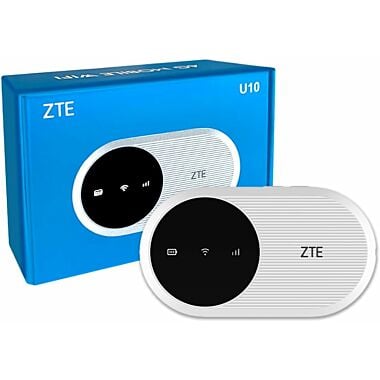
Accessing a wireless network requires a wireless hotspot zone, such as a public tourist place, coffee shop, or a bookstore etc. This severely limits a wanderer’s internet capabilities. A person might feel the need to surf, chat or connect with the virtual world at any moment. Public Wi-Fi can’t provide this facility all the time. Only your personal MiFi device can provide the much-needed internet services at your fingertips, anytime, and anywhere with speeds that a world traveler truly deserves! At WorldSIM we provide a host of portable hotspot MiFi devices that would tend to all of your internet needs.
USA WorldSIM Card
Traveling to the USA, Canada, Mexico (or to all of these destinations)? Stay in contact when you travel with our prepaid USA SIM card and reduce your roaming charges. With USA WorldSIM Card, you will get:
Reach us at https://www.worldsim.com/usa-sim-card to get your FREE WorldSIM USA SIM card now!