How to Pack Light for a Multi-Destination Trip

How to Pack Light for a Multi-Destination Trip

To pack light for a multi-destination trip, choose a lightweight bag that weighs little when empty, build a small capsule wardrobe of five to seven mix-and-match outfits instead of a full suitcase, swap paper books, maps and guidebooks for apps on your phone, and use a single eSIM instead of buying a new local SIM card at every border. The goal is one bag you can lift, carry and repack quickly at every stop, not a suitcase you dread dragging through your next airport.


Why a Multi-Destination Trip Needs a Different Packing Strategy

A single-destination holiday only asks you to pack once and unpack once. This kind of trip asks you to do it again and again, at every airport, every hostel, every border crossing. A suitcase that felt manageable on day one starts to feel like a punishment by the third city, and every extra kilo you're carrying is a kilo you'll be checking, re-checking and lifting onto trains, buses and overhead lockers for the rest of the trip.

Baggage allowances compound too. It often means several separate flights or transfers, and each one comes with its own weight limit and its own chance of an excess baggage charge if you're over. Packing light isn't just about comfort, it's what keeps the trip affordable.


Multi-Destination Trip Packing List: Bags, Clothes and Toiletries

The easiest way to overpack is to pack for every possible scenario instead of the trip you're actually taking. Work through these basics before you fill a single pocket:

  • Weigh your empty bag first. Backpacks and soft-sided cases vary hugely in their own weight before you've packed anything, so a few kilos difference here is a few kilos of extra clothes or gear you get to bring instead.
  • Build a small capsule wardrobe. Plan five to seven outfits that mix and match, rather than a full outfit per day. Be honest about how much you actually wore last time you came home from a trip; most travellers repeat outfits more than they'd guess.
  • Buy travel-size toiletries or refill small bottles. Full-size bottles are dead weight and rarely meet carry-on liquid limits anyway. Take only what you'll realistically use.
  • Skip the paper books. An e-reader or a reading app replaces an entire shelf of paperbacks with one slim device.

Tech to Pack for a Multi-Destination Trip

Modern phones have quietly replaced half a packing list. Before you add a separate gadget for every job, check whether your phone already does it:

  • Your phone is your camera. Unless you have a specific reason to shoot on a dedicated camera, your phone will cover photos and video for most trips like this one.
  • Apps replace the compass, paper maps, guidebook and torch. Offline maps, translation apps and a phone torch do the job of four separate items, and weigh nothing extra.
  • A tablet instead of a laptop. For browsing, planning and the occasional bit of work, a tablet does most of what a laptop does at a fraction of the weight and bulk.

How to Stay Connected on a Multi-Destination Trip

Connectivity is where most multi-destination trips quietly go wrong. Either travellers get hit with a huge roaming bill, or they lose hours in every new country hunting down a local SIM card, queuing to activate it, and starting again at the next border.

Check your costs before you fly. Data roaming through your home provider is generally expensive, and it gets worse the more countries you cross. Ask your provider directly what it will cost you before you leave; the answer is rarely good news.

Download offline apps before you leave. Maps, translation tools and anything else you'll need without a signal should be downloaded and tested at home, not discovered missing at your first destination.

Turn off data roaming and use an eSIM instead. A WorldSIM eSIM solves the specific problem a multi-destination trip creates: instead of buying, installing and topping up a new local SIM in every country, one eSIM installed before you leave connects automatically as you cross each border, on the same number, at a fixed cost you know in advance. It's the same principle behind WorldSIM's advice for multi-country Europe trips: the more destinations on your itinerary, the more a single eSIM saves you over juggling local SIMs at every stop. If you're wondering whether one eSIM can actually work across several different countries, the short answer is yes, and it's exactly what it's built for.

Will you be making or receiving calls? Receiving calls while you're away from your home country can cost you even if you don't answer, unless your plan already covers it, so check this before you travel, not after the bill arrives.


Before You Leave: Multi-Destination Trip Prep Checklist

A few things are worth sorting out before you go, not after:

  • Carry more than one bank card, and keep them in different bags or pockets. If anything happens to your only card, you're stuck in whichever country you happen to be in at the time.
  • Set up a simple travel blog or shared album. It keeps friends and family updated as you move between destinations, and gives you a proper record of a trip that will otherwise blur together in memory.
  • Check your documents match your itinerary. These trips sometimes cross into countries with different visa or entry requirements, so confirm this for every stop, not just the first one.
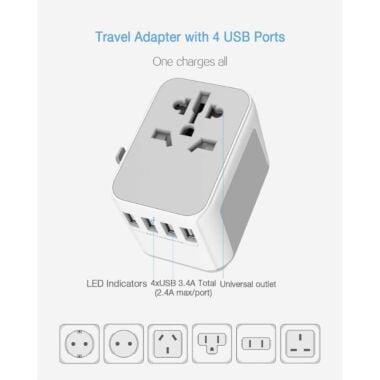
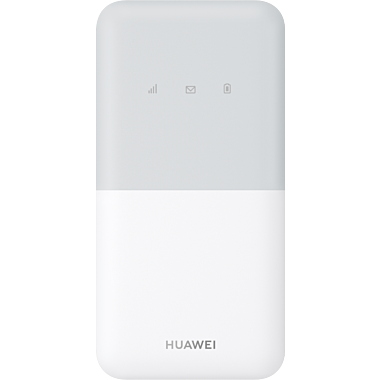
  • Pack a couple of travel gadgets that solve a real problem, rather than ones that just seem interesting in a shop. A universal travel adapter or a lightweight portable WiFi router earns its place in a bag far more reliably than most novelty gadgets do.

Multi-Destination Trip Packing Checklist

Category What to Pack Why It Helps
Bag Lightweight backpack or soft-sided case Every kilo of empty bag weight is a kilo you can't fill with things you actually need
Clothing 5–7 mix-and-match outfits A small capsule wardrobe means nothing comes home unworn
Reading E‑reader or reading app Replaces a shelf of paperbacks with one slim device
Navigation Offline maps, translation and torch apps Replaces a compass, paper maps, guidebook and torch
Toiletries Travel-size or refillable bottles Full-size bottles are dead weight and rarely carry-on compliant
Connectivity WorldSIM eSIM One connection across every border, no local SIM swaps
Computing Tablet instead of laptop Covers most tasks at a fraction of the weight
Money 2+ bank cards, stored separately One lost or blocked card doesn't strand you

FAQs

How do I avoid excess baggage fees on a multi-destination trip?

Weigh your bag empty before you pack it, build a small capsule wardrobe instead of packing for every scenario, and check the weight limit for every separate flight or transfer on your itinerary, not just the first one. This kind of trip usually means several separate baggage allowances, so a kilo saved matters more than it would on a single-destination holiday.

How many outfits should I pack for a multi-destination trip?

Most travellers do well with five to seven mix-and-match outfits rather than one per day. Plan pieces that combine into several different looks, and be realistic about how much you actually wore on your last trip, since overpacked clothing is one of the most common sources of excess weight.

Is it better to use an eSIM or buy a local SIM card at each destination?

For a trip like this, an eSIM is almost always simpler and often cheaper overall. A local SIM needs to be bought, installed and topped up separately in every country, while a single eSIM connects automatically as you cross each border on the same number, without the queueing or setup at every stop.

Should I bring a laptop or a tablet on a multi-destination trip?

A tablet covers most needs, including browsing, trip planning, photos and occasional work, at a fraction of the weight and bulk of a laptop. Only bring a laptop if you have a specific task that genuinely requires it.

How do I avoid roaming charges when travelling to multiple countries?

Turn off data roaming on your home network before you leave, download offline maps and translation apps in advance, and switch to a dedicated travel eSIM built to work across the specific countries on your itinerary, rather than relying on your home provider's roaming rates at every border.

Back