How to Avoid Overpaying While Travelling Abroad: 5 Money-Saving Tips
The fastest way to overpay abroad is by defaulting to tourist habits: hotel taxis, roaming calls, restaurant strips, pre-booked tours, and always-on mobile data. Switching each of these for a local or planned alternative can cut your daily travel spend significantly. Below are five practical fixes, plus the one swap an international SIM card that removes the single biggest hidden cost: your phone bill.
1. Taxis: Agree the Price Before You Get In
Taxis are one of the most common ways tourists get overcharged. In cities like Kuala Lumpur, drivers will often refuse to switch on the meter, then quote an inflated flat rate for a short trip.
How to avoid it
- Insist the meter is switched on, or agree to a fixed price before you get in.
- Avoid taxis waiting directly outside your hotelthese are frequently priced at a premium versus a taxi hailed a street or two away.
- In parts of Asia, hiring a taxi for a few hours is often cheaper than booking multiple separate trips, and lets you see more without renegotiating each time.
2. Phone Calls: Sort Connectivity Before You Fly
Answering or making calls on your home SIM while roaming abroad is one of the most expensive habits travellers fall into, and the cost varies enormously by network and destination. Decide how you'll stay in touch before you leave, rather than finding out the rate after your bill arrives.
How to avoid it
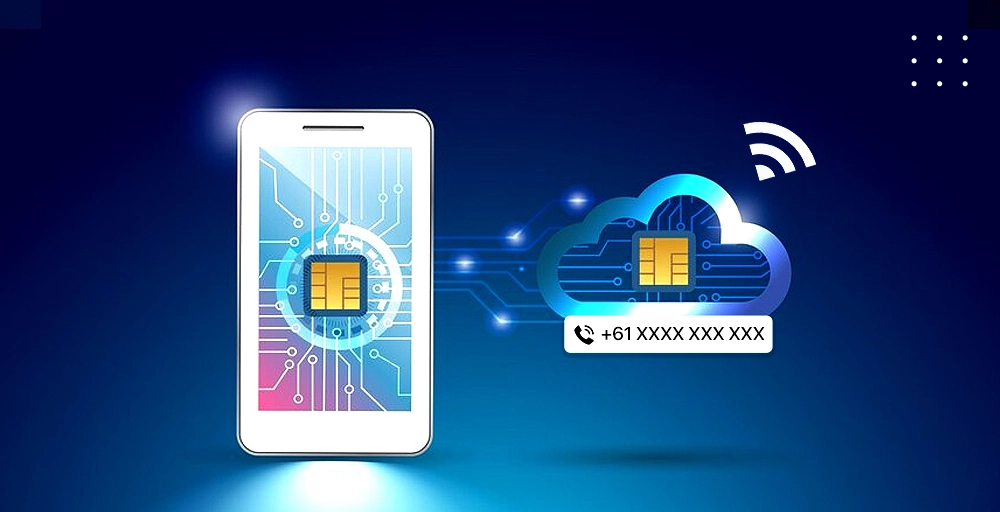
- If you travel internationally more than once a year, or visit multiple countries on one trip, a WorldSIM International SIM Card gives you coverage across 195+ countries on a single SIM, a free UK mobile number, and free incoming calls in over 110 countries so friends and family can still reach you without either of you paying roaming rates.
3. Food: Skip the Tourist-Strip Restaurants
Restaurants built around tourist footfall are almost always priced higher than local equivalents, without a corresponding step up in quality.
How to avoid it
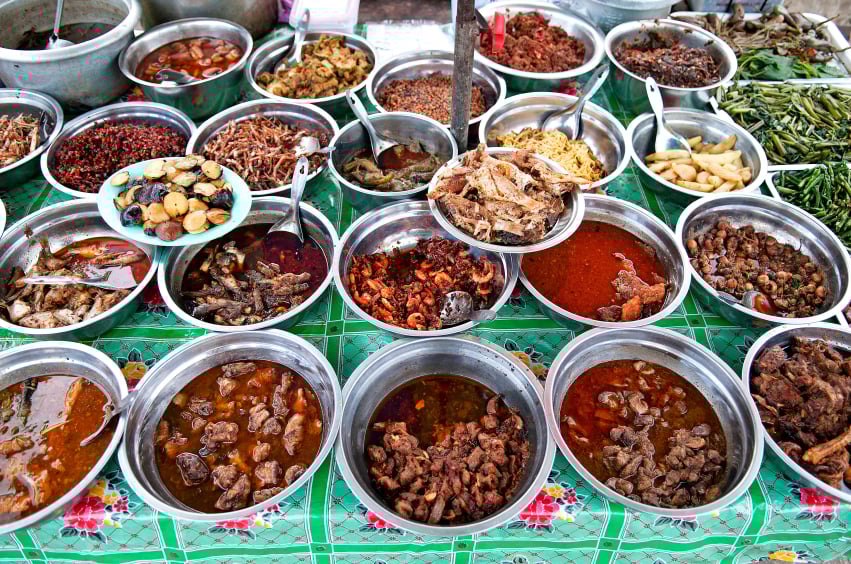
- Head to a local night market or an eatery where locals actually eat.
- You'll typically pay less, eat better, and get a more authentic sense of the destination.
- It's also one of the easiest ways to strike up conversation with people who live there.
4. Tours: Book on Arrival, Not Online in Advance
Tours booked online before departure are generally priced higher than the same tour booked in person.
How to avoid it
- Wait until you arrive, then negotiate directly with local tour operators. You'll usually get a better price, and you'll have a clearer picture of exactly what's included before you commit.
5. Data: Use Offline Apps and Free Wi-Fi
Mobile data used abroad is typically priced far higher than the same data at home, and it's easy to burn through an allowance without noticing.
How to avoid it
- Use free Wi-Fi wherever it's available, rather than mobile data by default.
- Download offline versions of maps and guidebook apps before you travel, so navigation doesn't draw on your data allowance.
- Turn off data roaming before departure leaving it on is one of the most common causes of an unexpectedly large bill.
- For more on this, see our list of offline travel apps that work without using your data allowance.
Conclusion
None of these five fixes require sacrificing comfort or spontaneity they just mean making a small decision earlier rather than later: agreeing a taxi price before you get in, sorting connectivity before you fly, eating where locals eat, booking tours on arrival, and switching data roaming off. Combined, they can meaningfully reduce what a trip actually costs versus what you'd pay defaulting to tourist habits. The connectivity piece is worth sorting first, since it's the one cost that runs in the background the entire trip: a WorldSIM International SIM Card covers calls, texts, and data across 195+ countries on one SIM, so it's set up once, before you leave, rather than something you have to manage day to day at your destination.
FAQ
Why do taxis overcharge tourists?
Drivers in many tourist destinations charge non-locals a flat, inflated rate rather than using the meter, betting that tourists won't know the standard local fare. Agreeing a price upfront or insisting on the meter avoids this.
Is it cheaper to use an international SIM card than roaming on my home network?
For most travellers, yes. Roaming rates on a home network are typically charged per minute, per text, or per MB at a premium, whereas an international SIM card like WorldSIM is designed specifically for travel, with coverage in 195+ countries, free incoming calls in 110+ countries, and a free UK number included.
How can I avoid high data roaming charges while travelling?
Turn off data roaming on your home SIM before you leave, rely on free Wi-Fi where available, download offline maps and guide apps in advance, and use a dedicated travel SIM or data plan for anything that needs a live connection.
Should I book tours before I travel or after I arrive?
Tours are generally cheaper when booked in person after arrival, since online prices aimed at travellers booking in advance tend to carry a premium. Booking on arrival also gives you the chance to negotiate and confirm exactly what's included.
Does a WorldSIM International SIM Card work in any phone?
Yes. It works in any unlocked handset and is compatible with all SIM sizes (standard, micro, and nano), so it works as a straightforward swap into your existing phone.