Berlin's Defining Moments: 7 Attractions That Explain the City
Berlin doesn't just have tourist attractions it has defining moments. Places where division became art. Where history still echoes in concrete. Where avant-garde theater fuses Mozart with breakdancing. These seven destinations aren't on your checklist because they're "best"; they're essential because they reveal what Berlin actually is: raw, complex, restlessly creative, and unafraid to confront its past while building its future.
1. East Side Gallery – The World's Largest Open-Air Gallery
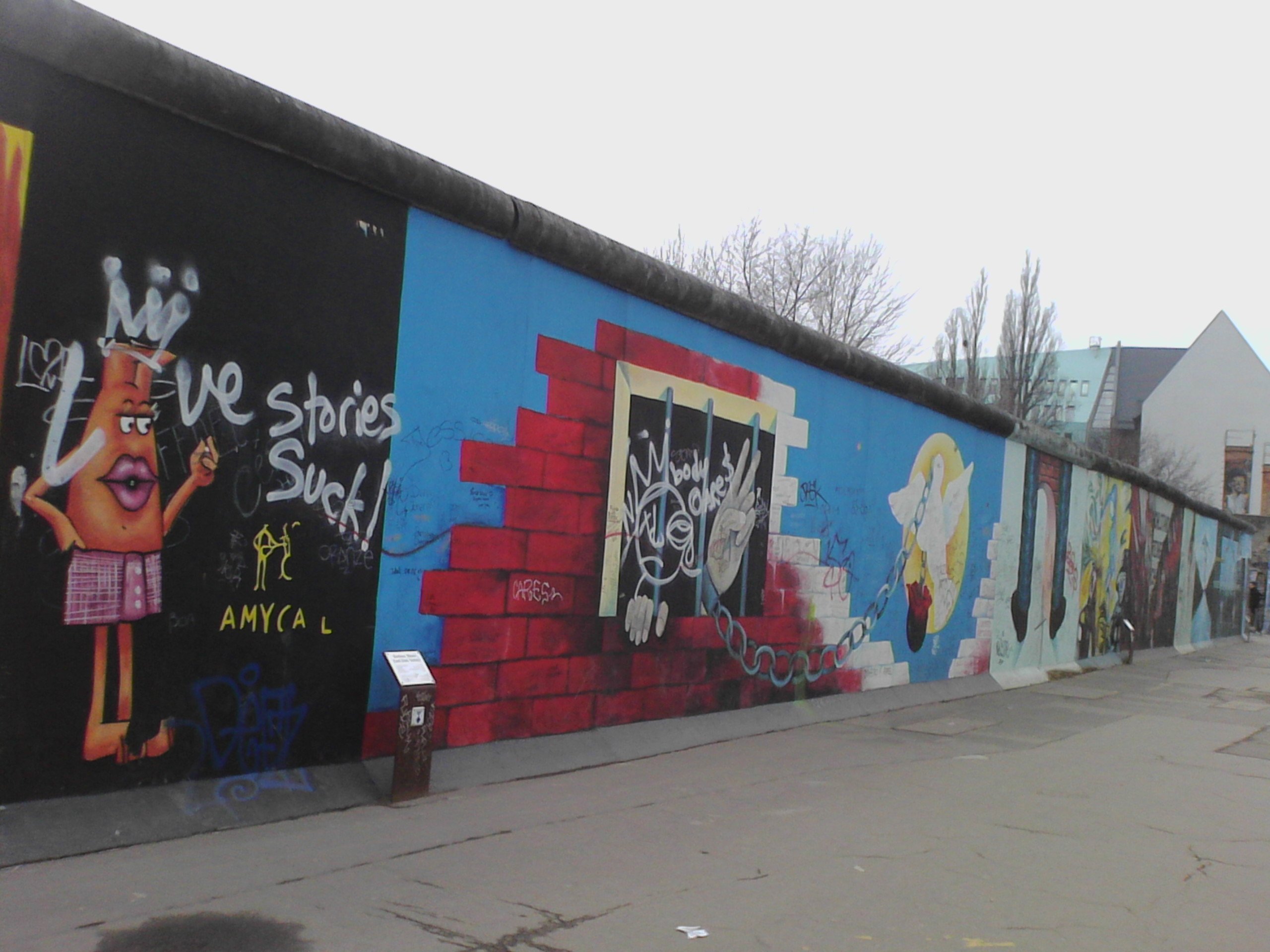
What it is: The East Side Gallery is a 1.3-kilometer stretch of the Berlin Wall that has been preserved and transformed into the world's longest open-air gallery.
Key details:
- Location: Friedrichshain district
- Closest U-Bahn/S-Bahn station: Ostbahnhof
- Features: Over 100 murals painted by international artists
- Admission: Free to visit, open 24/7
- Best time to visit: Early morning or weekdays for fewer crowds
The East Side Gallery stands as a powerful symbol of division and reunification. Rather than being demolished, this remaining section of the Berlin Wall has been painted with striking murals since 1990, transforming a symbol of oppression into a celebration of artistic freedom. Walking along both sides of the wall takes approximately 45 minutes to an hour.
Source: East Side Gallery official information
2. Berlin Cat Café – Relax with Feline Friends
What it is: An interactive café where visitors enjoy beverages and light meals while socializing with rescue cats in a comfortable, stress-free environment.
Key details:
- Name: Pee Pee's Katzencafe
- Address: Thomasstrasse, Neukölln/Kreuzberg area
- Admission fee: Typically €8–12 per hour
- Operating hours: Usually 2 PM–8 PM (check ahead for current times)
- Suitable for: Cat lovers, casual dates, solo travelers
Cat cafés originated in Asia and have become popular worldwide. Pee Pee's Katzencafe offers the quintessential Berlin experience of combining local coffee culture with animal companionship. Each cat in the café is a rescue animal, and the café actively supports local animal welfare initiatives.
Source: Pee Pee's Katzencafe details
3. Breaking Mozart – Avant-Garde Classical Entertainment
What it is: A theatrical fusion of Mozart's classical compositions with modern breakdancing and beatboxing, creating a unique sensory experience.
Key details:
- Venue: Wintergarten Berlin (Tiergarten district)
- Performance duration: Approximately 90 minutes
- Ticket prices: €25–50 depending on seating
- Shows: Typically evening performances (check schedule)
- Language: Minimal dialogue; universally accessible
Breaking Mozart reimagines 18th-century masterpieces through contemporary urban dance forms. The production features live musicians performing Mozart's works while dancers execute complex breakdancing moves and beatboxers create percussive accompaniment. This avant-garde approach appeals to both classical music enthusiasts and modern performance art fans.
Source: Wintergarten Berlin programming
4. Alexanderplatz – Berlin's Central Hub
What it is: One of Berlin's most famous public squares and a major transportation hub combining shopping, dining, and entertainment.
Key details:
- Location: Mitte district
- Transit connections: Major S-Bahn, U-Bahn, and regional train station
- Shopping centers: Alexa, Kaufhof, and numerous surrounding boutiques
- Dining options: 50+ restaurants and cafés
- Iconic landmark: TV Tower (Fernsehturm) with an adjacent observation deck
Alexanderplatz has been central to Berlin's urban life since the early 20th century. The square underwent major redevelopment after German reunification and today functions as both a tourist destination and local gathering space. The adjacent 368-meter TV Tower offers panoramic views across the entire city.
Source: Alexanderplatz visitor information
5. Holocaust Memorial – Solemn Remembrance
What it is: The Memorial to the Murdered Jews of Europe, a site of contemplation featuring 2,711 concrete stelae (blocks) of varying heights arranged in a grid pattern.
Key details:
- Official name: Memorial to the Murdered Jews of Europe (Denkmal für die ermordeten Juden Europas)
- Location: Tiergarten district
- Nearest U-Bahn: Potsdamer Platz / Brandenburger Tor
- Admission: Free
- Underground Information Center: Available for additional context
- Total Area: 19,000 square meters
Architect Peter Eisenman designed the memorial to evoke an overwhelming emotional response rather than provide an explicit narrative. Visitors walk amongst the blocks some towering overhead, others barely rising from the ground to experience a profound sense of disorientation meant to honor victims and educate future generations. The accompanying underground information center provides vital historical documentation and survivor testimonies.
Source: Holocaust Memorial official site
6. Panorama Observation Deck – Views Across the City
What it is: A rooftop observation platform offering 360-degree views of Berlin from approximately 100 meters height, with an integrated restaurant and bar.
Key details:
- Location: Potsdamer Platz
- Nearest U-Bahn: Potsdamer Platz station
- Height: 100 meters
- Admission: €13–16 per person
- Facilities: Restaurant, bar, and gift shop
- Best viewing time: Late afternoon into sunset
While not Berlin's tallest observation point, the Panorama deck provides intimate, highly accessible views of major landmarks including the Brandenburg Gate, Reichstag, and Museum Island. The on-site restaurant allows visitors to dine while observing the cityscape, making it ideal for those seeking a more relaxed sightseeing experience.
Source: Panorama Deck Berlin information
7. Potsdam Castle (Sanssouci Palace) – 18th-Century Architecture and Gardens
What it is: An 18th-century Prussian royal summer residence, famous for its stunning architecture, manicured gardens, and artistic collections.
Key details:
- Official name: Sanssouci Palace
- Location: Potsdam (approximately 25–30 km southwest of Berlin city center)
- Travel time: 30–45 minutes by train from central Berlin
- Admission: €14 (palace interior), €4 (grounds only)
- Status: UNESCO World Heritage site
- Opening hours: Generally 10 AM–5 PM (varies seasonally)
Built by Frederick II ("Frederick the Great") in the 18th century, Sanssouci represents the pinnacle of Prussian architectural achievement. The palace name translates to "without cares," reflecting its purpose as a retreat from royal duties. The surrounding gardens span 290 hectares and feature terraced vineyards, baroque fountains, and hidden grottos. Inside, visitors encounter ornate Rococo interiors, royal apartments, and art collections spanning centuries.
Source: Sanssouci Palace official information
Travel Tip: Stay Connected in Berlin
While exploring these seven attractions, reliable mobile connectivity enhances your experience. Germany offers excellent 4G/5G coverage, and international travelers benefit from competitive rates on calls, SMS, and data. Consider a WorldSIM travel card to stay connected affordably throughout your Berlin visit without relying solely on spotty public WiFi.
Planning Your Berlin Itinerary
- One-Day Quickstop: Alexanderplatz → Holocaust Memorial → Panorama Deck
- Cultural Deep-Dive: East Side Gallery → Breaking Mozart → Potsdam Castle
- Relaxed Exploration: Cat Café → Alexanderplatz (shopping) → Panorama Deck at sunset
Berlin's public transportation system is highly efficient and affordable. An unlimited transit pass (like the Berlin WelcomeCard) provides seamless travel access plus discounts at many local attractions.
Conclusion: Why Berlin Refuses to Be Forgotten
These seven attractions don't just represent Berlin's past they embody its refusal to look away from difficult truths while simultaneously leaping toward radical reimagination. The East Side Gallery transforms oppression into art. The Holocaust Memorial demands remembrance. Breaking Mozart shatters the boundary between high culture and street. Each destination tells Berlin's story: a city that doesn't hide its scars, doesn't settle for comfortable narratives, and perpetually reinvents itself without erasing what came before.
Berlin matters because it's the opposite of generic. It's where history doesn't whisper it shouts. Where culture isn't curated by committees but explodes from underground movements. Where a cat café can exist beside a memorial to genocide, not as a contradiction, but as Berlin's truest expression: a city capable of holding grief, joy, memory, and innovation simultaneously.
Ready to experience Berlin not just visit it? Plan your trip today.